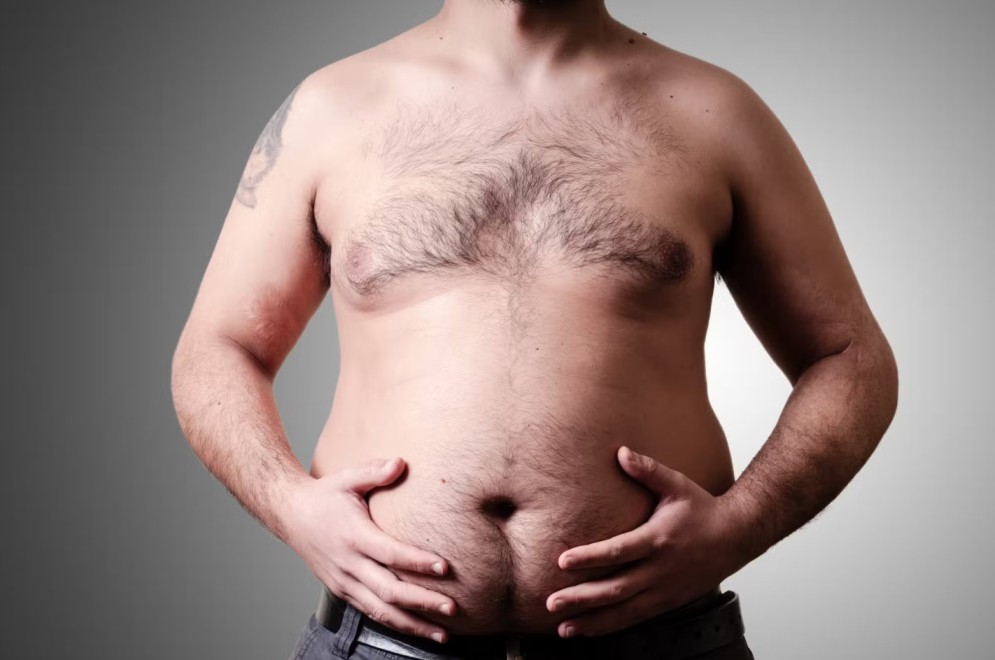
You’re training consistently.
You’re watching what you eat.
You’re doing more than most people.
And yet… the fat won’t shift.
If this sounds familiar, the issue isn’t effort, discipline, or motivation.
It’s that fat loss isn’t controlled by willpower alone — it’s controlled by biology.
The Frustrating Fat Loss Plateau
Many people reach a point where fat loss simply stalls. The scale stops moving, body composition doesn’t change, and energy often drops at the same time.
This is usually when people respond by:
- Eating less
- Training more
- Adding cardio
- Cutting carbs again
Unfortunately, this often makes the problem worse, not better.
Why Fat Loss Is Not Just Calories In vs Calories Out
The Calorie Model Is Incomplete
Calories matter — but they’re only part of the equation.
Your body is adaptive. When calories are reduced for long periods:
- Metabolic rate slows
- Hormonal output changes
- Fat storage becomes more efficient
This is why two people can eat the same calories and see completely different results.
The Body Is Not a Spreadsheet
Your body doesn’t respond to numbers — it responds to signals.
Signals from:
- Hormones
- Sleep quality
- Stress levels
- Recovery capacity
If the signals say “conserve energy”, fat loss stalls — regardless of effort.
The 4 Hidden Hormonal Blockers to Fat Loss
1. Insulin Resistance
Insulin is a storage hormone. When insulin signalling is impaired, fat becomes difficult to access as fuel.
Common signs include:
- Fat gain around the midsection
- Energy crashes
- Strong cravings
- “Stubborn” fat despite dieting
Repeated calorie restriction can actually worsen insulin sensitivity over time.
(Internal link: Optimised vs Normal Blood Results — What Doctors Don’t Have Time to Explain)
2. Leptin Resistance
Leptin tells your brain you’re full and well-fed. When leptin signalling is impaired:
- Hunger stays high
- Metabolism slows
- Weight regain becomes likely
This is why many people regain fat rapidly after dieting — even when calories haven’t increased much.
3. Cortisol & Chronic Stress
High stress tells your body one thing: survive first, burn fat later.
Busy professionals, parents, and high performers often experience:
- Elevated cortisol
- Poor sleep quality
- Increased fat storage, especially centrally
Training harder in this state usually adds fuel to the fire.
Why Sleep Is the Most Powerful ‘Anabolic’ You’re Ignoring
4. Declining Growth Hormone Signalling
Growth hormone (GH) plays a major role in:
- Fat mobilisation
- Muscle preservation
- Recovery and repair
GH naturally declines with age, poor sleep, alcohol, stress, and inflammation.
When GH signalling is low:
- Fat loss slows
- Recovery worsens
- Body composition changes even if habits stay the same
(Internal link: Peptides Explained Simply: What They Are, What They Do, and Who They’re For)
Why More Training Often Makes It Worse
Overtraining and Under-Recovering
More isn’t always better.
Excessive cardio and high-intensity training without adequate recovery can:
- Increase inflammation
- Suppress hormonal output
- Stall fat loss
This is especially common in people who are already under-fuelled and under-recovered.
Recovery Is a Fat Loss Tool
Sleep, nervous system regulation, and recovery aren’t luxuries — they’re requirements.
Fat loss happens between sessions, not during them.
(Internal link: Injury, Joint Pain, and Niggles: Why They Don’t Heal Like They Used To)
Why “Normal” Blood Tests Can Still Mean Poor Fat Loss
Normal vs Optimised
Standard blood tests are designed to detect disease — not optimise performance or body composition.
It’s possible to be told everything is “normal” while still experiencing:
- Fatigue
- Poor recovery
- Stubborn fat
- Brain fog
Optimisation looks at how systems work together, not just whether values fall inside wide reference ranges.
Key Markers That Influence Fat Loss
Markers commonly involved include:
- Insulin and glucose handling
- IGF-1 (growth hormone activity)
- Thyroid signalling
- Inflammatory markers
(Internal link: Optimised vs ‘Normal’ Blood Results)
Fat Loss Is a Signalling Problem — Not a Motivation Problem
If fat loss feels like a constant fight, your biology is likely working against you.
When hormonal and metabolic signals are aligned:
- Hunger reduces
- Energy improves
- Fat loss becomes more consistent
- Training feels productive again
This is why some people seem to “effortlessly” stay lean — their signalling supports it.
When Medical Optimisation Makes Sense
Who This Applies To
Medical optimisation may be appropriate if you:
- Have plateaued despite good habits
- Lose weight easily but regain it quickly
- Feel fatigued, flat, or inflamed
- Train consistently but recover poorly
Why Medical Support Is Different
This is not about:
- Appetite suppressants
- Stimulants
- Crash dieting
It’s about restoring proper metabolic and hormonal signalling so your body can respond again.
(Internal link: Metabolic & Hormone Optimisation at TIDES)
The Smarter Path Forward
A sustainable approach follows a clear sequence:
- Test properly
- Interpret beyond “normal”
- Optimise strategically
- Monitor and adjust
This removes guesswork and replaces frustration with clarity.
Final Thought — Stop Fighting Your Biology
Fat loss should not feel like punishment.
If you’re doing everything right and still not seeing results, the answer isn’t more discipline — it’s better alignment.
When biology is supported, results follow.
📌 Ready to Understand What’s Blocking Your Fat Loss?
If fat loss has stalled despite training and nutrition, a deeper look may be the missing piece.
👉 Book a Metabolic & Hormone Review with TIDES



 Fat Loss & Metabolism